The world of fashion thrives on creativity, identity, and cultural expression, and nowhere is this more visible than in the design elements of female cloths. Designers rely on shape, fabric, texture, color, and cultural meaning to craft garments that embody style and purpose.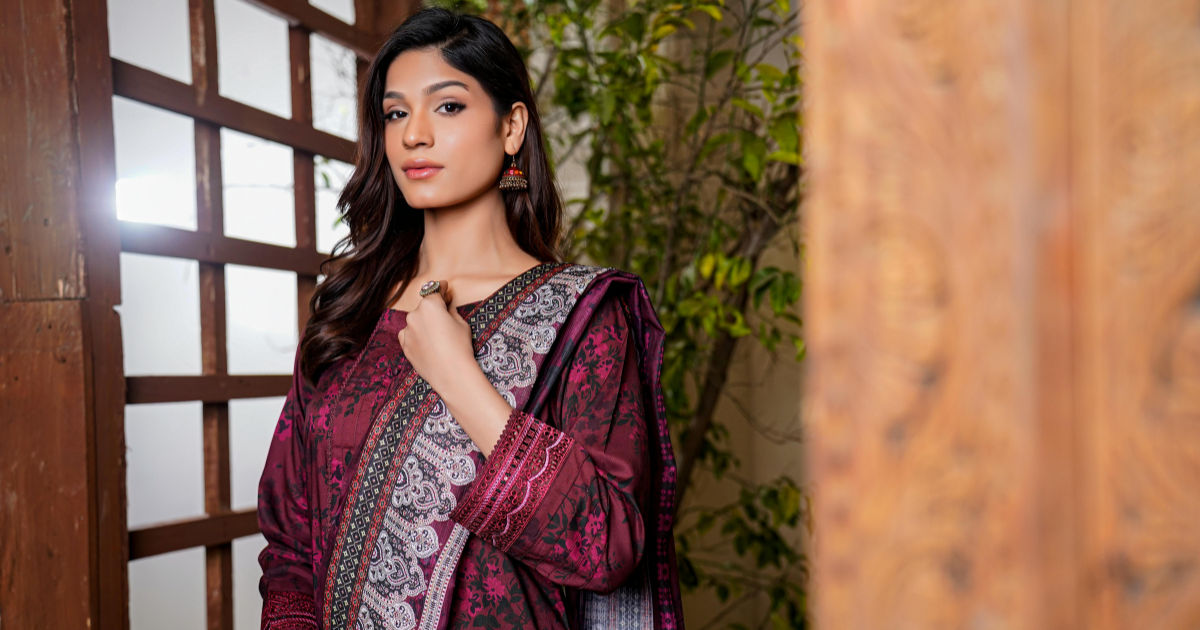
Whether casual, professional, or ceremonial, female cloths communicate personal stories and shared values. This guide breaks down the major elements that shape design choices, helping readers understand how fashion pieces evolve from concepts into finished looks.
By examining these foundations, anyone can recognize the artistry and intention behind garments worn every day.
The Foundation of Design
Silhouette as the First Impression
The silhouette is the overall outline of a garment, and in female cloths, it determines how the body’s shape is presented. A-line, straight, fitted, or oversized silhouettes each create a mood and message. Designers often begin with silhouette because it defines proportion and flow. In modern female cloths, silhouettes can emphasize curves, create symmetry, or purposely soften structure to encourage comfort and movement.
Proportion and Balance
Proportion refers to the relationship between each part of an outfit. In female cloths, the ratio between the top and bottom, or between sleeves and torso, can drastically affect the wearer’s appearance. Balanced proportion creates harmony. For instance, wide-leg pants often pair well with fitted tops, while voluminous sleeves complement simple skirts. Understanding proportion ensures that female cloths appear visually cohesive.
Fabric Selection and Its Impact
Natural vs. Synthetic Fibers
Fabric choice is more than an aesthetic decision. Cotton, wool, silk, and linen offer breathability and softness, while polyester, nylon, and spandex introduce stretch, durability, and versatility. Many female cloths combine both types to enhance comfort while maintaining structure. Designers consider drape, texture, and weight when selecting fabrics because these characteristics influence how the garment moves.
Texture as a Design Tool
Texture can transform simple shapes into expressive art. Ruffles, pleats, embroidery, and knit patterns each add dimension to female cloths. Smooth fabrics communicate elegance, while rough textures create boldness. The tactile feel often influences emotional response, making texture fundamental in communicating personality through female cloths.
Color Theory in Fashion
Emotional Influence of Color
Color shapes mood. Designers choose colors in female cloths to express emotion, season, or cultural meaning. Warm tones like red and orange evoke energy, while cool tones like blue and green soothe. Neutrals remain classics for their versatility. Strategic color placement can draw attention to or away from specific areas.
Color Harmony and Contrast
Creating a palette involves harmony and contrast. Monochromatic looks offer unity, while complementary colors make female cloths stand out. Color blocking has become popular for its bold visual statements. Skillful use of color ensures female cloths remain appealing across trends and generations.
Print, Pattern, and Visual Storytelling
Floral, Geometric, and Abstract Prints
Prints convey identity. Florals highlight femininity, geometric shapes bring modern structure, and abstract prints evoke creativity. In female cloths, print selection can define the entire garment. A simple silhouette becomes striking when paired with a vibrant pattern.
Cultural Patterns and Symbolism
Many patterns in female cloths derive from cultural heritage—African Ankara prints, Indian block prints, Japanese kimonos, and Middle Eastern embroidery all tell stories. Designers often integrate these patterns respectfully to celebrate cultural identity while offering timeless beauty.
Details That Define Style
Necklines and Their Effects
Necklines influence how female cloths frame the face and upper body. V-necks lengthen the torso, boat necks widen the shoulders, and sweetheart necklines soften appearance. Designers choose necklines carefully because they transform symmetrical designs into expressive statements.
Sleeves as Creative Canvases
Sleeves carry enormous design potential. Bell sleeves, puff sleeves, cap sleeves, and bishop sleeves each add personality to female cloths. Sleeves often follow fashion cycles—some eras favor volume, while others prefer simplicity. Their design contributes greatly to the garment’s overall mood.
Hemlines and Movement
Hemlines determine movement and style. Mini, midi, and maxi lengths create different silhouettes. Designers consider lifestyle and season when selecting hemlines because practicality often matters as much as appearance. In flowy female cloths, hemline variation adds dynamics to the garment.
Closures and Functional Elements
While often overlooked, closures—buttons, zippers, hooks, and ties—affect usability and aesthetic. Decorative buttons can elevate simple female cloths, while invisible zippers maintain clean silhouettes. Functional elements must complement the design without distracting from it.
Fit, Comfort, and Functionality
Understanding Fit Styles
Fit influences confidence. Slim-fit, relaxed-fit, and tailored-fit designs cater to different preferences. In female cloths, fit should blend comfort with form. Designers use darts, seams, and panels to shape garments, ensuring wearers feel both comfortable and flattering.
Movement and Practicality
Clothes must allow natural movement. Stretch fabrics, side slits, and adjustable straps make female cloths more wearable. Designers often evaluate activities—walking, sitting, stretching—to ensure garments accommodate real-life motion.
Purpose-Driven Design
Some garments serve specific purposes: evening gowns, business attire, sportswear, and casual wear all require unique design considerations. Female cloths must balance aesthetics with function to suit their intended context, whether elegance, professionalism, or active comfort.
Cultural and Social Influences
Fashion as Cultural Expression
Fashion reflects culture. Traditional garments influence contemporary female cloths, blending heritage with modern style. Culture often informs color, silhouette, and decorative elements. Designers explore cultural narratives to create meaningful fashion.
Social Movements and Design
Society shapes design evolution. The rise of gender inclusivity, body positivity, and sustainability has transformed female cloths. Designers focus on diverse body types, inclusive sizing, and ethical production to meet modern values.
Sustainability and Modern Design Choices
Eco-Friendly Materials
Sustainability has become foundational in design. Organic cotton, recycled polyester, and bamboo fabrics reduce environmental impact. Designers creating female cloths now choose materials responsibly to maintain both style and ecological consciousness.
Ethical Production Practices
Beyond materials, ethical labor practices matter. Consumers increasingly support brands that prioritize fair working conditions. Transparent production processes add integrity to female cloths, making them more meaningful to wearers.
Longevity and Timeless Style
Fast fashion has taught consumers the importance of durability. Timeless silhouettes, classic colors, and sturdy fabrics ensure female cloths last. Designers now blend trend-driven elements with enduring styles to create long-lasting wardrobes.
Accessories as Extensions of Design
Jewelry and Accent Pieces
Accessories extend the personality of female cloths. Necklaces emphasize necklines, earrings draw attention to the face, and bracelets complement sleeve designs. Designers consider how accessories enhance the garment’s message.
Bags, Footwear, and Layering
Shoes and bags contribute additional texture and color. Layering with scarves, shawls, or jackets allows female cloths to become versatile. By coordinating accessories, wearers personalize outfits while maintaining design harmony.
The Design Process Itself
Concept Development
Every garment begins with inspiration—art, nature, culture, or personal stories. Designers sketch silhouettes, color palettes, and fabric ideas. For female cloths, the concept determines mood and purpose.
Patternmaking and Technical Construction
Once the concept is finalized, patterns bring the garment to life. Patternmakers transform sketches into templates, ensuring accuracy in shape and fit. Quality construction ensures that female cloths hold their structure and feel comfortable.
Sampling and Adjustments
Prototypes help designers refine fit and detail. Adjustments ensure the final version of female cloths achieves the intended balance of comfort, aesthetics, and practicality. Multiple revisions often occur before mass production.
Current Trends in Female Fashion
Minimalism and Clean Lines
Minimalist female cloths highlight simplicity—neutral colors, smooth textures, and uncomplicated silhouettes. This trend focuses on timeless elegance and functionality, making garments versatile and long-lasting.
Maximalism and Bold Expression
Opposite to minimalism, maximalist fashion embraces color, volume, and print. Dramatic sleeves, layered textures, and vivid patterns make female cloths expressive and theatrical. This trend celebrates individuality.
Athleisure and Everyday Comfort
Athleisure blends athletic wear with daily fashion, prioritizing comfort without sacrificing style. Stretch fabrics, supportive fits, and flexible designs make female cloths suitable for both activity and leisure.
Vintage Revival
Retro fashion continuously reappears. Vintage-inspired female cloths incorporate old-world charm through polka dots, puff sleeves, high waists, and classic florals. These designs revive historical elegance in modern wardrobes.
Personal Expression Through Clothing
Identity and Self-Confidence
Clothing influences self-perception. Well-designed female cloths help individuals express identity and boost confidence. Each garment becomes a mirror of personal taste.
Style Evolution and Personal Growth
As people grow, their style evolves. Understanding design elements helps individuals make mindful choices. Choosing female cloths becomes a form of self-care and expression.
Customization and Individual Design
Customization allows wearers to tailor garments to their preferences. From adjusting hems to adding embellishments, personal design choices make female cloths uniquely meaningful.
Conclusion
The design elements of female cloths reveal far more than simple trends. They embody creativity, culture, identity, and craftsmanship. Every choice—from silhouette and fabric to color and pattern—shapes how the garment looks, feels, and communicates. Understanding these elements empowers consumers to make thoughtful wardrobe decisions, appreciate the artistry behind their clothing, and express themselves more confidently. As fashion continues to evolve with sustainability, inclusivity, and innovation, female cloths will remain powerful tools of personal and cultural storytelling. The future of design lies in celebrating individuality and respecting the craft that turns imagination into wearable art.