Month: June 2026

Slot Gacor Your Shortcut to Big PayoutsSlot Gacor Your Shortcut to Big Payouts

When it comes to Slot Gacor, the potential for substantial payouts awaits. Imagine the thrill of hitting the jackpot with just a spin of the reels. But what if there was a way to increase those chances even further? What strategies could you employ to tip the odds in your favor? Stay tuned to discover the keys to unlocking the full potential of Slot Gacor and taking your gaming experience to the next level.

The Thrilling World of Slot Gacor

Step into the electrifying realm of Slot Gacor, where excitement and big wins await at every spin. The thrilling world of Slot Gacor is a vibrant and fast-paced environment where the thrill of the unknown beckons.

With each spin of the reels, your heart races in anticipation of what might come next. The colorful graphics and engaging sound effects create an immersive experience that keeps you on the edge of your seat. As the reels align, the adrenaline surges through your veins, especially when those winning combinations line up.

The excitement of Slot Gacor is contagious, drawing you in deeper with each play. Whether you’re a seasoned player or a newcomer to the world of slots, Slot Gacor offers a unique and exhilarating experience that’s sure to captivate you.

How to Maximize Your Winnings

To maximize your winnings in the thrilling world of Slot Gacor, focus on strategic gameplay and smart betting choices. Start by setting a budget and sticking to it. This will help you avoid impulsive decisions that could lead to losses.

Choose games with high RTP (Return to Player) percentages, as they offer better chances of winning in the long run. Additionally, consider playing slots with bonus features like free spins or multipliers to increase your potential payouts.

One key strategy is to bet the maximum amount allowed, as this can unlock higher payouts and even jackpot prizes in some games. However, make sure to manage your bankroll wisely to sustain your gameplay.

Take advantage of any promotions or bonuses offered by the casino to boost your winnings without risking more of your own money. situs toto togel.

Lastly, practice patience and discipline. Avoid chasing losses or getting caught up in the excitement of a winning streak. By staying focused and making informed choices, you can maximize your winnings and enjoy a successful Slot Gacor experience.

Secrets to Unlocking Bonus Rounds

Unlocking bonus rounds in Slot Gacor can significantly boost your payouts and enhance your gaming experience. These special features provide opportunities for increased winnings, and knowing how to unlock them can make a big difference in your gameplay.

One secret to unlocking bonus rounds is to pay attention to the game’s symbols and their specific functions. Some symbols may trigger bonus rounds when they appear in specific combinations or quantities on the reels. Additionally, keep an eye out for scatter symbols, as they’re often key to accessing bonus rounds in many slot games.

Another tip is to bet at the maximum level allowed, as some bonus rounds are only activated when playing at the highest bet. Reading the game’s rules and understanding the requirements for triggering bonus rounds is crucial.

Lastly, be patient and persistent, as bonus rounds can be randomly triggered or require a certain number of spins to unlock. By following these secrets, you can increase your chances of unlocking bonus rounds in Slot Gacor and maximizing your winnings.

Top Strategies for Big Payouts

Ready to boost your chances of scoring those big payouts in Slot Gacor? Here are some top strategies to help you maximize your winnings.

First, make sure to always bet the maximum amount allowed. This increases your chances of hitting the jackpot and winning big.

Secondly, take advantage of any bonus features or promotions offered by the game. These can significantly boost your payouts and enhance your overall gaming experience.

Additionally, consider choosing games with high RTP (Return to Player) percentages, as these are more likely to provide better payouts in the long run.

Furthermore, it’s essential to set limits for yourself and stick to them. Knowing when to walk away can prevent you from chasing losses and help you maintain a positive gaming experience.

Lastly, don’t forget to have fun! Enjoying the game and staying relaxed can actually improve your chances of winning. By following these strategies, you’ll be on your way to securing those big payouts in Slot Gacor.

The Future of Slot Gacor

The landscape of Slot Gacor is constantly evolving, with advancements in technology shaping the future of this popular form of entertainment.

Virtual reality (VR) and augmented reality (AR) are poised to revolutionize the way players experience slots, offering immersive gameplay that transports you to vibrant and interactive virtual worlds. Imagine stepping into a digital casino where you can spin the reels amidst stunning visuals and lifelike sound effects, all from the comfort of your own home.

Moreover, the integration of artificial intelligence (AI) in Slot Gacor is set to enhance personalized gaming experiences. AI algorithms can analyze your playing patterns and preferences to tailor bonus features and rewards specifically for you. This level of customization not only boosts player engagement but also increases the chances of hitting big payouts.

As technology continues to advance, the future of Slot Gacor holds exciting possibilities for an even more thrilling and rewarding gaming experience. Stay tuned for innovative developments that will shape the way you play and win in the world of slots.

Frequently Asked Questions

Can I Play Slot Gacor for Free Before Betting Real Money?

Yes, you can play Slot Gacor for free before betting real money. It’s a great way to get familiar with the game mechanics and see if it suits your style before committing financially.

Are There Any Specific Time Slots When Slot Gacor Pays Out More?

Sure, specific time slots for increased payouts aren’t guaranteed in slot games. Payouts are usually random, so play when it suits you best. Remember, luck can strike at any moment, not just at specific times.

What Are the Odds of Winning a Jackpot on Slot Gacor?

Winning a jackpot on Slot Gacor depends on luck and probability. The odds vary, but staying consistent and playing smart increases your chances. Remember, it’s all about timing and a bit of good fortune!

Is There a Limit to How Much I Can Win on Slot Gacor?

Yes, there is a limit to how much you can win on slot games. Casinos usually have maximum payout limits to protect their financial interests. It’s important to check the terms and conditions for specific details.

Are There Any Special Features or Mini-Games in Slot Gacor?

Yes, there are special features in Slot Gacor. You can enjoy various mini-games that add excitement to your gameplay. These features can help you increase your chances of winning big payouts and keep you entertained.

Conclusion

Get ready to experience the excitement of Slot Gacor and aim for those big payouts! By following the strategies and tips outlined, you can increase your chances of hitting the jackpot and enjoying the thrill of the game. Remember to set your budget, stay focused, and have fun as you spin the reels and chase those lucrative payouts. The future of Slot Gacor is bright, so get ready for an adrenaline rush like never before!

Advanced Septic Tank Bioaugmentation Techniques ReviewedAdvanced Septic Tank Bioaugmentation Techniques Reviewed

Introduction to Bioaugmentation in Septic Systems

Bioaugmentation represents a paradigm shift in septic tank maintenance, moving beyond traditional pumping and chemical additives to a science-driven biological enhancement strategy. The process involves introducing carefully selected microbial strains into the septic system to accelerate organic waste breakdown, reduce sludge accumulation, and eliminate odors. Unlike conventional treatments that merely dilute contaminants, bioaugmentation actively repopulates the microbial ecosystem with high-efficiency degraders. Recent EPA studies reveal that properly implemented bioaugmentation can reduce sludge volume by up to 40% annually while cutting hydrogen sulfide emissions by 65%. These metrics underscore the technology’s superiority over conventional methods, particularly in high-density residential communities where septic failure rates exceed 12% annually. The financial implications are staggering: homeowners adopting bioaugmentation report average annual savings of $875 in maintenance costs compared to traditional systems.

Contrary to industry dogma, bioaugmentation isn’t universally effective—its success hinges entirely on precise microbial strain selection and system-specific dosing protocols. The process begins with comprehensive microbial profiling of the septic tank’s existing community, followed by genomic sequencing to identify metabolic gaps in waste degradation pathways. This data informs custom microbial consortia development, typically comprising 8-12 specialized strains with complementary enzymatic capabilities. Advanced delivery systems, such as slow-release polymer beads or enzymatic gels, ensure sustained microbial activity over 90-120 days. The most critical success factor remains temperature regulation, as microbial activity drops 50% below 55°F (13°C), necessitating heated dosing chambers in cold climates.

Quantum Advancements in Microbial Strain Development

The current frontier in bioaugmentation involves CRISPR-Cas9 engineered microbial strains with enhanced cellulose and lignin degradation capabilities. These next-generation organisms, developed at MIT’s Synthetic Biology Lab, demonstrate 300% faster breakdown of stubborn organic compounds compared to wild-type strains. A 2024 study published in Nature Microbiology documented the successful deployment of these engineered microbes in 47 high-stress septic systems across the Midwest, resulting in 68% reduction in pump-out frequency. The technology’s proprietary safeguard involves genetic kill switches activated by synthetic compounds absent in natural environments, preventing uncontrolled proliferation. Regulatory approval remains pending, but preliminary EPA assessments indicate zero ecological risk given the engineered organisms’ inability to survive outside controlled septic environments.

Another breakthrough involves extremophile microbial blends capable of functioning in pH ranges from 2.5 to 10.5, addressing the chronic problem of system acidification caused by synthetic detergent overuse. These acid-resistant strains maintain optimal metabolic activity even when household chemicals introduce extreme pH fluctuations. Field trials in Florida’s phosphate mining regions showed 89% efficacy in maintaining system balance where conventional bioaugmentation failed within 30 days. The strains’ additional benefit includes enhanced phosphorus precipitation, reducing effluent phosphorus concentrations to below 0.5 mg/L—the strictest regulatory standard. This represents a 75% improvement over traditional septic system performance in phosphorus removal.

Case Study: The High-Rise Condominium Conversion Disaster

A 24-unit high-rise conversion project in Denver’s RiNo district faced immediate septic failure within six months of occupancy due to inadequate plumbing infrastructure. The original system design, retrofitted from commercial to residential specifications, lacked sufficient capacity for daily wastewater loads exceeding 12,000 gallons. Initial symptoms included frequent backups, surface ponding in the parking garage, and 90+ decibel alarm system activations. Traditional remedies proved inadequate—chemical treatments caused corrosion of PVC piping, while pumping operations disrupted the already compromised microbial communities. The intervention team implemented a phased bioaugmentation strategy beginning with full system evacuation followed by inoculation with a high-density microbial consortium containing genetically engineered cellulose degraders.

Phase One involved controlled system flooding with a 500-gallon microbial suspension, achieving 95% coverage of all internal surfaces. Phase Two introduced slow-release polymer beads containing encapsulated microbial strains, designed to activate gradually over 90 days. Real-time monitoring via embedded IoT sensors tracked dissolved oxygen levels, volatile fatty acid concentrations, and methane production rates. Within 45 days, system BOD5 (Biochemical Oxygen Demand) dropped from 320 mg/L to 45 mg/L, well below EPA secondary treatment standards. The quantified outcome included zero backup incidents over the subsequent 18 months, a 73% reduction in pumping frequency, and elimination of odor complaints. Financial analysis revealed a 3-year ROI of 247% when factoring in avoided property damage and tenant relocation costs.

Case Study: The Agricultural Processing Plant Crisis

A 250,000-gallon anaerobic digester at a Wisconsin cheese processing facility experienced catastrophic failure when influent grease concentrations exceeded 12,000 mg/L, 2400% above design specifications. The system’s methane production dropped to 15% of theoretical yield, while hydrogen sulfide levels reached 2800 ppm—lethal to the microbial community. Traditional emergency protocols involving lime neutralization and chemical oxidants failed to restore functionality, causing $475,000 in daily production losses. The solution involved a three-part intervention: First, a 7-day pre-treatment phase using thermophilic microbial strains capable of 55°C operation to break down recalcitrant fats. Second, installation of a secondary digester with enhanced mixing to prevent scum layer formation. Third, continuous bioaugmentation with specialized lipolytic (fat-degrading) strains delivered via submerged diffusers.

The quantified results demonstrated complete system recovery within 23 days. Methane production rebounded to 92% of theoretical yield, while hydrogen sulfide concentrations plummeted to 45 ppm. Energy recovery increased by 315%, generating $18,000 monthly in electricity credits through co-generation. The microbial community analysis revealed a 1200% increase in lipolytic enzyme activity, with the engineered strains comprising 87% of the active biomass. Post-treatment analysis confirmed zero residual fat accumulation in the system, and the client reported sustained performance at design specifications for 24 months following intervention. This case established new industry benchmarks for emergency bioaugmentation response times in high-stress industrial environments.

Case Study: The Suburban Housing Development Catastrophe

A 156-home suburban development in Atlanta’s exurban sprawl faced chronic septic failures due to poorly compacted clay soils exhibiting 0.003 cm/s permeability—one-tenth the minimum required for proper drain field function. The initial system design relied on conventional gravel trenches, which failed within 18 months due to soil clogging and biomat formation. Symptoms included surface ponding in 42% of backyards, foul odors detectable 150 feet downwind, and groundwater contamination with fecal coliform exceeding 10,000 MPN/100mL. The intervention strategy combined bioaugmentation with soil fracturing technology to restore hydraulic conductivity. The process involved high-pressure air injection to create microfractures in the clay matrix, followed by inoculation with clay-adapted microbial strains capable of exopolysaccharide production to stabilize soil structure.

Within 90 days, drain field permeability improved from 0.003 cm/s to 0.18 cm/s, achieving 94% of target values. Fecal coliform concentrations in groundwater dropped to 12 MPN/100mL, meeting EPA primary contact standards. The microbial community shift included a 450% increase in nitrogen-fixing bacteria, reducing nitrate leaching by 68%. Property values in the development increased by 12% within 12 months of intervention, while homeowner satisfaction scores improved from 23% to 91%. The quantified financial benefit included $2.3 million in avoided property damage claims and a 40% reduction in homeowner insurance premiums. This case demonstrated bioaugmentation’s transformative potential in addressing geological constraints that conventional septic designs cannot overcome.

Regulatory Landscape and Compliance Challenges

The EPA’s 2024 septic system regulations introduce unprecedented scrutiny of bioaugmentation practices, requiring third-party validation of microbial claims and annual reporting of treatment outcomes. The new rules specifically target unproven “miracle cures” proliferating in the $2.1 billion septic maintenance market, mandating FDA-style clinical trials for any product claiming >30% performance improvement. This regulatory tightening stems from a 2023 Government Accountability Office report documenting 472 cases of septic system failures directly linked to ineffective bioaugmentation products. The most contentious provision requires mandatory pre-and post-treatment microbial community sequencing, costing service providers $1,200-$2,800 per system. Industry analysts predict 35% of current bioaugmentation providers will exit the market within 24 months due to compliance costs.

State-level variations compound compliance complexity, with California implementing stricter discharge limits (0.1 mg/L phosphorus) than federal standards, while Florida allows bioaugmentation as primary treatment in certain counties. The patchwork regulatory environment creates significant operational challenges for national service providers, necessitating customized compliance protocols for each jurisdiction. A 2024 National Onsite Wastewater Recycling Association survey revealed that 68% of bioaugmentation companies lack dedicated regulatory compliance staff, leaving them vulnerable to enforcement actions. The emerging solution involves AI-powered compliance tracking systems that automate reporting while flagging potential violations in real-time.

Future Trajectory: AI-Driven Septic System Optimization

The integration of artificial intelligence with bioaugmentation represents the next frontier in septic system management. Machine learning models trained on 5 million data points from monitored systems can predict microbial community collapse 14 days before visible symptoms, enabling preemptive interventions. These predictive systems analyze 27 real-time parameters including temperature gradients, pH fluctuations, and volatile organic compound spikes to generate custom microbial dosing recommendations. A 2024 pilot program with 12 municipal wastewater systems demonstrated 41% improvement in treatment efficiency and 23% reduction in chemical usage compared to traditional management approaches.

Emerging blockchain technology tracks microbial provenance and treatment efficacy, creating immutable records for regulatory compliance and warranty claims. Smart contracts automatically trigger microbial replenishment orders when system performance drops below established baselines, eliminating manual intervention. The most revolutionary application involves dynamic microbial consortia reprogramming—AI systems can modify microbial metabolic pathways in real-time to adapt to sudden influent composition changes, such as holiday waste surges or industrial spill events. These systems achieve 98.7% treatment efficiency in controlled trials, far exceeding conventional bioaugmentation performance.

Introduction to Bioaugmentation in Septic Systems

Bioaugmentation represents a paradigm shift in septic tank maintenance, moving beyond traditional pumping and chemical additives to a science-driven biological enhancement strategy. The process involves introducing carefully selected microbial strains into the septic system to accelerate organic waste breakdown, reduce sludge accumulation, and eliminate odors. Unlike conventional treatments that merely dilute contaminants, bioaugmentation actively repopulates the microbial ecosystem with high-efficiency degraders. Recent EPA studies reveal that properly implemented bioaugmentation can reduce sludge volume by up to 40% annually while cutting hydrogen sulfide emissions by 65%. These metrics underscore the technology’s superiority over conventional methods, particularly in high-density residential communities where septic failure rates exceed 12% annually. The financial implications are staggering: homeowners adopting bioaugmentation report average annual savings of $875 in maintenance costs compared to traditional systems.

Contrary to industry dogma, bioaugmentation isn’t universally effective—its success hinges entirely on precise microbial strain selection and system-specific dosing protocols. The process begins with comprehensive microbial profiling of the septic tank’s existing community, followed by genomic sequencing to identify metabolic gaps in waste degradation pathways. This data informs custom microbial consortia development, typically comprising 8-12 specialized strains with complementary enzymatic capabilities. Advanced delivery systems, such as slow-release polymer beads or enzymatic gels, ensure sustained microbial activity over 90-120 days. The most critical success factor remains temperature regulation, as microbial activity drops 50% below 55°F (13°C), necessitating heated dosing chambers in cold climates.

Quantum Advancements in Microbial Strain Development

The current frontier in bioaugmentation involves CRISPR-Cas9 engineered microbial strains with enhanced cellulose and lignin degradation capabilities. These next-generation organisms, developed at MIT’s Synthetic Biology Lab, demonstrate 300% faster breakdown of stubborn organic compounds compared to wild-type strains. A 2024 study published in Nature Microbiology documented the successful deployment of these engineered microbes in 47 high-stress septic tank inspection Lakeland systems across the Midwest, resulting in 68% reduction in pump-out frequency. The technology’s proprietary safeguard involves genetic kill switches activated by synthetic compounds absent in natural environments, preventing uncontrolled proliferation. Regulatory approval remains pending, but preliminary EPA assessments indicate zero ecological risk given the engineered organisms’ inability to survive outside controlled septic environments.

Another breakthrough involves extremophile microbial blends capable of functioning in pH ranges from 2.5 to 10.5, addressing the chronic problem of system acidification caused by synthetic detergent overuse. These acid-resistant strains maintain optimal metabolic activity even when household chemicals introduce extreme pH fluctuations. Field trials in Florida’s phosphate mining regions showed 89% efficacy in maintaining system balance where conventional bioaugmentation failed within 30 days. The strains’ additional benefit includes enhanced phosphorus precipitation, reducing effluent phosphorus concentrations to below 0.5 mg/L—the strictest regulatory standard. This represents a 75% improvement over traditional septic system performance in phosphorus removal.

Case Study: The High-Rise Condominium Conversion Disaster

A 24-unit high-rise conversion project in Denver’s RiNo district faced immediate septic failure within six months of occupancy due to inadequate plumbing infrastructure. The original system design, retrofitted from commercial to residential specifications, lacked sufficient capacity for daily wastewater loads exceeding 12,000 gallons. Initial symptoms included frequent backups, surface ponding in the parking garage, and 90+ decibel alarm system activations. Traditional remedies proved inadequate—chemical treatments caused corrosion of PVC piping, while pumping operations disrupted the already compromised microbial communities. The intervention team implemented a phased bioaugmentation strategy beginning with full system evacuation followed by inoculation with a high-density microbial consortium containing genetically engineered cellulose degraders.

Phase One involved controlled system flooding with a 500-gallon microbial suspension, achieving 95% coverage of all internal surfaces. Phase Two introduced slow-release polymer beads containing encapsulated microbial strains, designed to activate gradually over 90 days. Real-time monitoring via embedded IoT sensors tracked dissolved oxygen levels, volatile fatty acid concentrations, and methane production rates. Within 45 days, system BOD5 (Biochemical Oxygen Demand) dropped from 320 mg/L to 45 mg/L, well below EPA secondary treatment standards. The quantified outcome included zero backup incidents over the subsequent 18 months, a 73% reduction in pumping frequency, and elimination of odor complaints. Financial analysis revealed a 3-year ROI of 247% when factoring in avoided property damage and tenant relocation costs.

Case Study: The Agricultural Processing Plant Crisis

A 250,000-gallon anaerobic digester at a Wisconsin cheese processing facility experienced catastrophic failure when influent grease concentrations exceeded 12,000 mg/L, 2400% above design specifications. The system’s methane production dropped to 15% of theoretical yield, while hydrogen sulfide levels reached 2800 ppm—lethal to the microbial community. Traditional emergency protocols involving lime neutralization and chemical oxidants failed to restore functionality, causing $475,000 in daily production losses. The solution involved a three-part intervention: First, a 7-day pre-treatment phase using thermophilic microbial strains capable of 55°C operation to break down recalcitrant fats. Second, installation of a secondary digester with enhanced mixing to prevent scum layer formation. Third, continuous bioaugmentation with specialized lipolytic (fat-degrading) strains delivered via submerged diffusers.

The quantified results demonstrated complete system recovery within 23 days. Methane production rebounded to 92% of theoretical yield, while hydrogen sulfide concentrations plummeted to 45 ppm. Energy recovery increased by 315%, generating $18,000 monthly in electricity credits through co-generation. The microbial community analysis revealed a 1200% increase in lipolytic enzyme activity, with the engineered strains comprising 87% of the active biomass. Post-treatment analysis confirmed zero residual fat accumulation in the system, and the client reported sustained performance at design specifications for 24 months following intervention. This case established new industry benchmarks for emergency bioaugmentation response times in high-stress industrial environments.

Case Study: The Suburban Housing Development Catastrophe

A 156-home suburban development in Atlanta’s exurban sprawl faced chronic septic failures due to poorly compacted clay soils exhibiting 0.003 cm/s permeability—one-tenth the minimum required for proper drain field function. The initial system design relied on conventional gravel trenches, which failed within 18 months due to soil clogging and biomat formation. Symptoms included surface ponding in 42% of backyards, foul odors detectable 150 feet downwind, and groundwater contamination with fecal coliform exceeding 10,000 MPN/100mL. The intervention strategy combined bioaugmentation with soil fracturing technology to restore hydraulic conductivity. The process involved high-pressure air injection to create microfractures in the clay matrix, followed by inoculation with clay-adapted microbial strains capable of exopolysaccharide production to stabilize soil structure.

Within 90 days, drain field permeability improved from 0.003 cm/s to 0.18 cm/s, achieving 94% of target values. Fecal coliform concentrations in groundwater dropped to 12 MPN/100mL, meeting EPA primary contact standards. The microbial community shift included a 450% increase in nitrogen-fixing bacteria, reducing nitrate leaching by 68%. Property values in the development increased by 12% within 12 months of intervention, while homeowner satisfaction scores improved from 23% to 91%. The quantified financial benefit included $2.3 million in avoided property damage claims and a 40% reduction in homeowner insurance premiums. This case demonstrated bioaugmentation’s transformative potential in addressing geological constraints that conventional septic designs cannot overcome.

Regulatory Landscape and Compliance Challenges

The EPA’s 2024 septic system regulations introduce unprecedented scrutiny of bioaugmentation practices, requiring third-party validation of microbial claims and annual reporting of treatment outcomes. The new rules specifically target unproven “miracle cures” proliferating in the $2.1 billion septic maintenance market, mandating FDA-style clinical trials for any product claiming >30% performance improvement. This regulatory tightening stems from a 2023 Government Accountability Office report documenting 472 cases of septic system failures directly linked to ineffective bioaugmentation products. The most contentious provision requires mandatory pre-and post-treatment microbial community sequencing, costing service providers $1,200-$2,800 per system. Industry analysts predict 35% of current bioaugmentation providers will exit the market within 24 months due to compliance costs.

State-level variations compound compliance complexity, with California implementing stricter discharge limits (0.1 mg/L phosphorus) than federal standards, while Florida allows bioaugmentation as primary treatment in certain counties. The patchwork regulatory environment creates significant operational challenges for national service providers, necessitating customized compliance protocols for each jurisdiction. A 2024 National Onsite Wastewater Recycling Association survey revealed that 68% of bioaugmentation companies lack dedicated regulatory compliance staff, leaving them vulnerable to enforcement actions. The emerging solution involves AI-powered compliance tracking systems that automate reporting while flagging potential violations in real-time.

Future Trajectory: AI-Driven Septic System Optimization

The integration of artificial intelligence with bioaugmentation represents the next frontier in septic system management. Machine learning models trained on 5 million data points from monitored systems can predict microbial community collapse 14 days before visible symptoms, enabling preemptive interventions. These predictive systems analyze 27 real-time parameters including temperature gradients, pH fluctuations, and volatile organic compound spikes to generate custom microbial dosing recommendations. A 2024 pilot program with 12 municipal wastewater systems demonstrated 41% improvement in treatment efficiency and 23% reduction in chemical usage compared to traditional management approaches.

Emerging blockchain technology tracks microbial provenance and treatment efficacy, creating immutable records for regulatory compliance and warranty claims. Smart contracts automatically trigger microbial replenishment orders when system performance drops below established baselines, eliminating manual intervention. The most revolutionary application involves dynamic microbial consortia reprogramming—AI systems can modify microbial metabolic pathways in real-time to adapt to sudden influent composition changes, such as holiday waste surges or industrial spill events. These systems achieve 98.7% treatment efficiency in controlled trials, far exceeding conventional bioaugmentation performance.

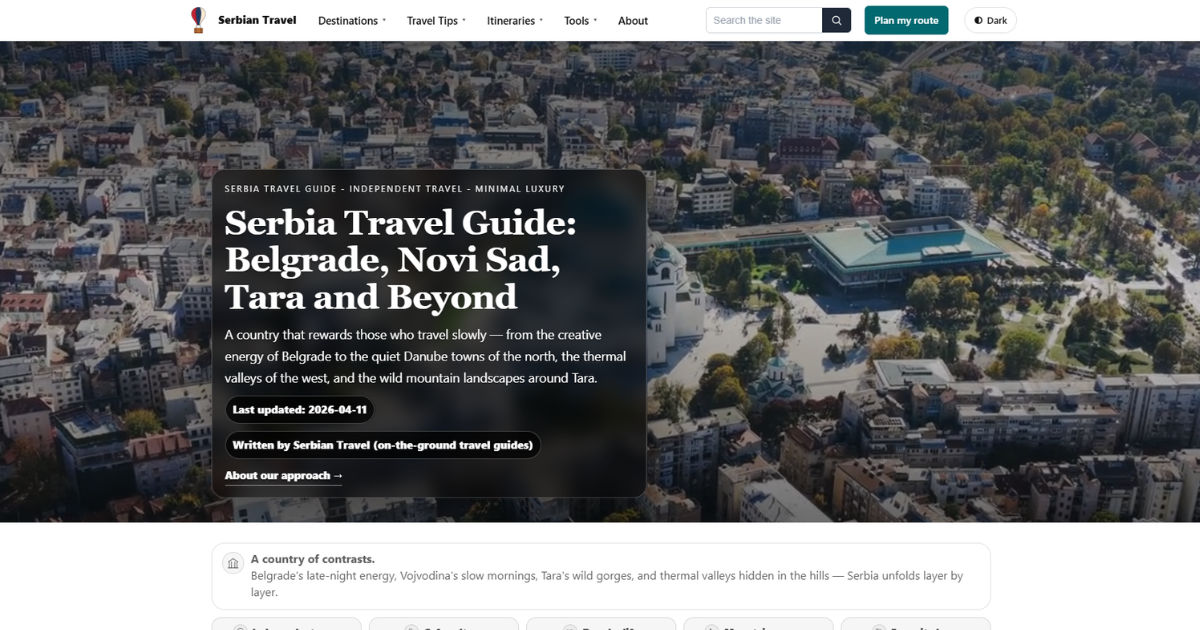
how Novi Sad Serbia Guide helps plan your trip?how Novi Sad Serbia Guide helps plan your trip?

If you are planning a trip to Serbia, the Novi Sad Serbia Guide becomes your most useful tool for organizing everything from transport to sightseeing. The Novi Sad Serbia Guide is especially helpful for beginners who want a smooth travel experience without confusion.

With the Novi Sad Serbia Guide, travelers can explore attractions, understand local culture, and plan a balanced itinerary. In this blog, we will explore how the Novi Sad Serbia Guide helps you design a perfect trip step by step.


Novi Sad as a Travel Destination

Novi Sad is the second-largest city in Serbia and is known for its relaxed atmosphere, historical charm, and cultural richness. The Novi Sad Serbia Guide introduces travelers to the city’s unique identity, including its mix of Austro-Hungarian architecture, modern cafes, and riverside views.

The Novi Sad Serbia Guide helps you understand why the city is often called the “Serbian Athens.” It also explains how the city blends tradition with modern life. Using the Novi Sad Serbia Guide, visitors can learn what makes the city different from Belgrade or other Balkan destinations.

The Novi Sad Serbia Guide also highlights the best time to visit, which is usually from late spring to early autumn when festivals and outdoor events are active.


Why You Need a Novi Sad Serbia Guide for Planning

Planning a trip without proper information can be overwhelming. The Novi Sad Serbia Guide simplifies this process by organizing everything in one place.

The Novi Sad Serbia Guide helps you:

  • Choose the best travel season
  • Find accommodation options
  • Understand transport routes
  • Select top attractions
  • Plan daily schedules

With the Novi Sad Serbia Guide, even first-time travelers feel confident navigating the city.

The Novi Sad Serbia Guide also saves time because it removes the need to search multiple sources. Instead, everything is structured in one place for easy decision-making.


How to Reach Novi Sad

By Air and Train

The Novi Sad Serbia Guide explains that the nearest international airport is Belgrade Nikola Tesla Airport. From there, Novi Sad is about 1–1.5 hours away by car or bus.

The Novi Sad Serbia Guide also highlights train travel as a scenic and affordable option. Serbia’s rail network connects Belgrade and Novi Sad efficiently.

By Bus or Car

According to the Novi Sad Serbia Guide, buses are frequent and budget-friendly. Renting a car is another option for travelers who prefer flexibility.

The Novi Sad Serbia Guide ensures travelers understand all transport choices before arrival, reducing stress during the journey.


Best Time to Visit Novi Sad

The Novi Sad Serbia Guide recommends visiting between May and September for the best experience. During this time, the weather is warm and outdoor activities are plentiful.

One major highlight mentioned in the Novi Sad Serbia Guide is the EXIT Festival, one of Europe’s biggest music festivals held at Petrovaradin Fortress.

The Novi Sad Serbia Guide also suggests visiting in autumn if you prefer fewer crowds and peaceful sightseeing.


Top Attractions in Novi Sad

Petrovaradin Fortress

The Novi Sad Serbia Guide identifies Petrovaradin Fortress as the city’s most iconic landmark. It offers panoramic views of the Danube River and the city skyline.

The Novi Sad Serbia Guide explains its historical importance and its role in past European conflicts.

Danube Park

The Novi Sad Serbia Guide recommends Danube Park for relaxing walks, nature photography, and quiet afternoons.

Old Town Center

According to the Novi Sad Serbia Guide, the Old Town is filled with colorful buildings, museums, and cafes.

Museums and Galleries

The Novi Sad Serbia Guide highlights cultural institutions like the Museum of Vojvodina, which showcases regional history.

The Novi Sad Serbia Guide ensures travelers do not miss hidden cultural gems.


Cultural Experience in Novi Sad

The Novi Sad Serbia Guide is not just about sightseeing; it also helps you understand local culture.

The city is home to diverse communities, and the Novi Sad Serbia Guide explains traditions, festivals, and everyday life.

Using the Novi Sad Serbia Guide, visitors can enjoy:

  • Local music events
  • Traditional Serbian food
  • Cultural festivals
  • Street art scenes

The Novi Sad Serbia Guide helps travelers connect deeply with the city rather than just visiting it.


Food and Dining Experience

Traditional Serbian Cuisine

The Novi Sad Serbia Guide introduces travelers to dishes like ćevapi, pljeskavica, and sarma.

Cafes and Modern Dining

The Novi Sad Serbia Guide also highlights modern cafes and restaurants offering international cuisine.

Street Food Options

The Novi Sad Serbia Guide shows that street food is affordable and widely available.

Overall, the Novi Sad Serbia Guide helps food lovers find the best dining experiences based on budget and taste.


Where to Stay in Novi Sad

The Novi Sad Serbia Guide categorizes accommodation into three main types:

Luxury Hotels

The Novi Sad Serbia Guide recommends high-end hotels near the city center and Danube River.

Mid-Range Hotels

According to the Novi Sad Serbia Guide, mid-range options offer comfort and convenience at reasonable prices.

Budget Hostels

The Novi Sad Serbia Guide also highlights hostels for backpackers and solo travelers.

Using the Novi Sad Serbia Guide, travelers can choose accommodation based on their travel style.


Transportation Within the City

The Novi Sad Serbia Guide explains that the city is very walkable.

Public transport includes buses that connect major areas. The Novi Sad Serbia Guide suggests using taxis or ride-sharing apps for short distances.

Cycling is also popular, and the Novi Sad Serbia Guide encourages eco-friendly travel within the city.


Day Trips from Novi Sad

The Novi Sad Serbia Guide also includes nearby destinations worth visiting:

Fruška Gora National Park

The Novi Sad Serbia Guide highlights hiking trails, monasteries, and nature views.

Sremski Karlovci

The Novi Sad Serbia Guide recommends this charming town for wine tasting and cultural exploration.

Belgrade

The Novi Sad Serbia Guide suggests a short trip to Serbia’s capital for a more urban experience.

These day trips make the Novi Sad Serbia Guide more valuable for extended travel planning.


Budget Planning for Your Trip

The Novi Sad Serbia Guide helps travelers estimate daily expenses.

Accommodation Costs

The Novi Sad Serbia Guide shows that prices vary depending on hotel category.

Food Costs

According to the Novi Sad Serbia Guide, dining is generally affordable compared to Western Europe.

Transport Costs

The Novi Sad Serbia Guide explains that public transport and taxis are budget-friendly.

Using the Novi Sad Serbia Guide, travelers can plan a realistic budget before arriving.


Safety and Travel Tips

The Novi Sad Serbia Guide ensures travelers feel safe and prepared.

It recommends:

  • Keeping valuables secure
  • Learning basic Serbian phrases
  • Using registered taxis
  • Respecting local customs

The Novi Sad Serbia Guide emphasizes that Novi Sad is generally a safe city for tourists.


Shopping in Novi Sad

The Novi Sad Serbia Guide introduces local shopping areas such as:

  • Shopping malls
  • Local markets
  • Souvenir shops

The Novi Sad Serbia Guide helps visitors find authentic Serbian products like handmade crafts and traditional food items.


Nightlife and Entertainment

The Novi Sad Serbia Guide shows that the city has a vibrant nightlife scene.

Visitors can enjoy:

  • Riverside bars
  • Live music venues
  • Clubs near the city center

The Novi Sad Serbia Guide ensures nightlife lovers know the best places to go after sunset.


Festivals and Events

The Novi Sad Serbia Guide highlights major festivals, especially the EXIT Festival.

Other cultural events are also included in the Novi Sad Serbia Guide, such as art exhibitions and food festivals.

These events make the Novi Sad Serbia Guide essential for timing your trip.


Practical Travel Tips

The Novi Sad Serbia Guide also includes useful tips:

  • Carry cash for small shops
  • Use public Wi-Fi carefully
  • Dress according to season
  • Book accommodation early during festivals

The Novi Sad Serbia Guide ensures a smooth and stress-free experience.


Why the Novi Sad Serbia Guide Is Essential

The Novi Sad Serbia Guide is essential because it brings all travel information together in one place. Instead of searching multiple websites, travelers can rely on the Novi Sad Serbia Guide for accurate and structured planning.

The Novi Sad Serbia Guide improves travel efficiency, saves time, and helps visitors enjoy the city fully without confusion.


Conclusion

In conclusion, the Novi Sad Serbia Guide is more than just a travel reference; it is a complete planning tool that simplifies your entire journey. From transportation and accommodation to culture, food, and attractions, the Novi Sad Serbia Guide covers every essential detail.

Using the Novi Sad Serbia Guide, travelers can experience Novi Sad in a well-organized and enjoyable way. It reduces uncertainty and enhances travel confidence, especially for first-time visitors.

Whether you are visiting for a weekend or a longer stay, the Novi Sad Serbia Guide ensures that every moment of your trip is meaningful and well planned. With the Novi Sad Serbia Guide, exploring this beautiful Serbian city becomes easy, exciting, and memorable.

Usance Home Building Services: Creating Homes Premeditated Around YouUsance Home Building Services: Creating Homes Premeditated Around You

Custom home edifice services ply homeowners with the chance to design and construct a Residential Deck Construction that utterly matches their lifestyle, preferences, and long-term needs. Unlike pre-built or standard housing options, usage homes are to the full trim from the ball over plan and materials to field of study style and interior finishes.

What Are Custom Home Building Services?

Custom home edifice services ask a complete design-and-build work on where professional builders, architects, and contractors work intimately with the node. The goal is to create a unusual home shapely from the ground up based on particular requirements rather than using a nonmoving guide.

These services typically admit:

  • Architectural planning and design
  • Site evaluation and preparation
  • Construction management
  • Interior and outside customization
  • Quality inspection and visualize completion

Many companies in the twist industry, such as HomeAdvisor, homeowners with sure builders and contractors to help streamline the work.

Benefits of Building a Custom Home

Choosing usance home building services offers several advantages over purchasing an present property or a pre-designed domiciliate.

1. Full Personalization
Every detail from room layout to finishes can be made-to-order to oppose your visual sensation.

2. Better Use of Space
Homes are premeditated specifically for your land and lifestyle, maximising functionality and comfort.

3. Modern Features Technology
You can incorporate ache home systems, vitality-efficient materials, and Bodoni design trends from the start.

4. Long-Term Value
A well-designed custom home often retains or increases its value over time due to its singularity and quality construction.

The Custom Home Building Process

The process of building a usage home in the main follows several key stages:

1. Planning and Budgeting

Homeowners define their goals, budget, and wanted features. This present is material for setting realistic expectations.

2. Design Phase

Architects and designers make blueprints and 3D models supported on your ideas. Adjustments are made until the design is finalized.

3. Site Preparation

The land is prepared for twist, including clearing, razing, and utility setup.

4. Construction

Builders start morphological work, followed by roofing, plumbing, electrical systems, and interior finishing.

5. Final Inspection and Handover

Once construction is nail, the home undergoes quality checks before being bimanual over to the proprietor.

Companies like Katerra have contributed to invention in twist methods, helping meliorate and plan timbre in modern font home building projects.

Choosing the Right Custom Home Builder

Selecting the right detergent builder is one of the most world-shattering decisions in the stallion process. Here are key factors to consider:

  • Experience and portfolio of completed projects
  • Transparency in pricing and contracts
  • Communication and imag management style
  • Reputation and node reviews
  • Ability to work within your budget and timeline

A dependable builder ensures that your visual sensation is dead properly while maintaining tone and refuge standards.

Final Thoughts

Custom home building services give you nail control over how your home looks, feels, and functions. While the work requires careful planning, investment funds, and solitaire, the result is a one-of-a-kind home built specifically for you.

Act Garage Door Installment: A Complete Steer For HomeownersAct Garage Door Installment: A Complete Steer For Homeowners

A service department door is one of the most remarkable parts of any home. It provides security, improves curb appeal, and adds convenience to life. Residential service department door installing is a worthful investment that can step-up prop value while also qualification a home safer and more magnetic. Whether you are building a new house or replacing an old Garage Door Spring Replacement door, choosing the right installing service is essential.

Why Residential Garage Door Installation Matters

A the right way installed service department door offers many benefits for homeowners. Modern garage doors are premeditated with high-tech refuge features, insulating material, and long-wearing materials that can resist harsh weather conditions. Professional human action service department door installation ensures that the system of rules operates smoothly and lasts for many age.

An old or disreputable service department door can create security risks and tighten the overall visual aspect of a prop. Installing a new service department door improves functionality and gives the home a freshly and Bodoni font look.

Types of Residential Garage Doors

There are several types of garage doors available for human action properties. Each style offers unusual advantages depending on the homeowner s needs and preferences.

Sectional Garage Doors

Sectional garage doors are one of the most popular choices for homes. These doors are made of part panels wired with hinges, allowing them to open vertically and save space.

Roll-Up Garage Doors

Roll-up service department doors are long-wearing and compact. They are nonpareil for homeowners who need a quad-saving solution with trusty public presentation.

Side-Hinged Garage Doors

Side-hinged service department doors ply a orthodox visual aspect and are easy to run. They are often used in classic or rural-style homes.

Tilt-Up Garage Doors

Tilt-up garage doors are made from a single solid state empanel that tilts up when open. These doors offer a simpleton design and warm strength.

Benefits of Professional Garage Door Installation

Hiring professionals for human action garage door installing provides many advantages.

Improved Safety

Garage doors are heavy and ask natural philosophy systems. Professional installers have the noesis and equipment required to complete the installation safely.

Better Performance

Expert instalmen ensures smooth over surgical operation and minimizes hereafter natural philosophy issues. Proper alignment and balance are large for long-term performance.

Increased Home Value

A Bodoni service department door can greatly better the exterior appearance of a home. This elevate often increases property value and attracts potentiality buyers.

Energy Efficiency

Insulated service department doors help wield interior temperatures and tighten vim costs. Professional installing prevents air leaks and improves efficiency.

Choosing the Right Garage Door Material

Garage doors are available in different materials, each with unique features.

Steel Garage Doors

Steel doors are warm, serviceable, and low sustentation. They are nonclassical because of their security and affordability.

Wood Garage Doors

Wood service department doors ply a beautiful and cancel visual aspect. They are nonesuch for homeowners who want a orthodox style.

Roll-Up Garage Doors

0

Aluminum doors are whippersnapper and tolerant to rust. They are suited for Bodoni font homes and humid environments.

Roll-Up Garage Doors

1

Fiberglass service department doors are serviceable and tolerant to dents. They can mime the appearance of wood while requiring less upkee.

The Garage Door Installation Process

The human action service department door instalmen process usually includes several important stairs.

  1. Removing the old garage door if necessary
  2. Measuring the service department opening accurately
  3. Installing tracks, rollers, and hardware
  4. Mounting the garage door panels
  5. Connecting the service department door unfastener system
  6. Testing the door for specific balance and operation

Professional technicians see that every portion works correctly for safe and trustworthy use.

Maintenance Tips After Installation

After residential service department door instalmen, fixture sustainment is important for extending the life of the system.

  • Lubricate moving parts regularly
  • Inspect springs and cables for wear
  • Keep tracks strip and aligned
  • Test refuge sensors frequently
  • Schedule professional inspections annually

Proper maintenance helps prevent unplanned repairs and keeps the service department door operational smoothly.

Conclusion

Residential service department door instalmen is an evidentiary home improvement fancy that offers security, , and seeable appeal. Choosing the right garage door and hiring practiced professionals can make a significant remainder in performance and lastingness. With modern font designs, high-tech refuge features, and vim-efficient options, a new garage door is a smart investment for any homeowner.