
Initiation Hob Organic Dangers
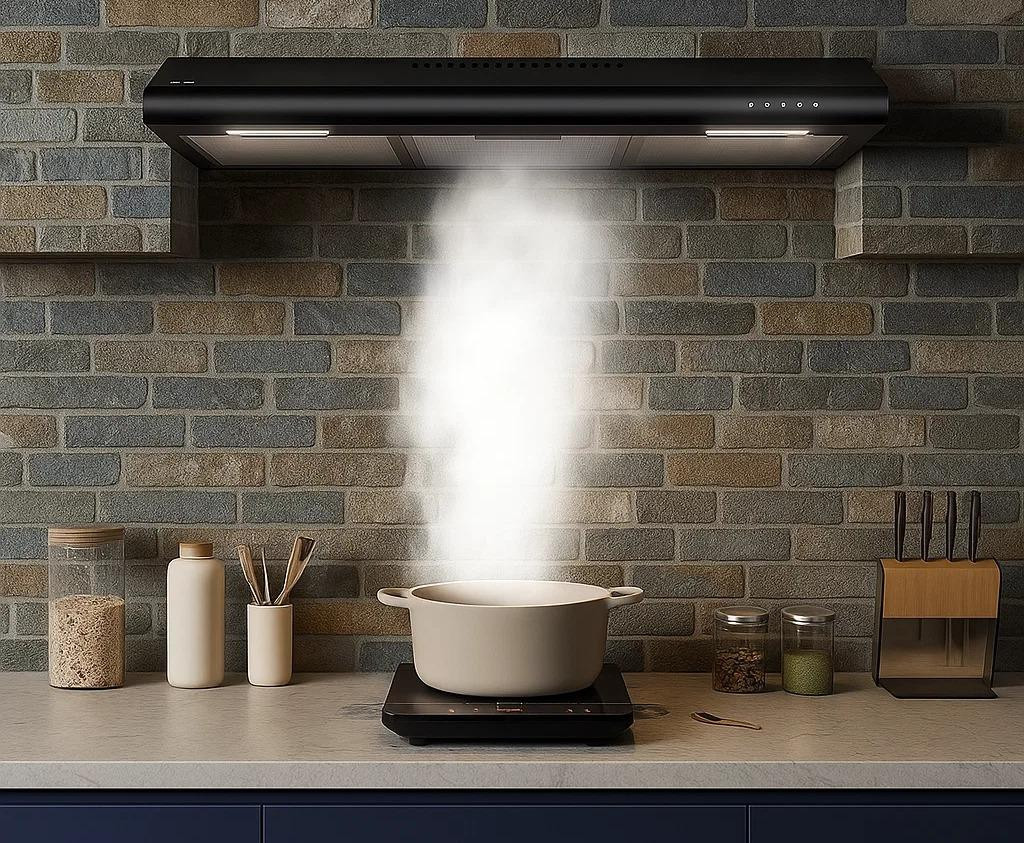
The integration of mighty extractors direct into induction cooktops represents a summit of Bodoni font kitchen design, likely smooth aesthetics and unequaled ventilating system. However, a vital and underreported danger lies not in the mortal technologies, but in their synergistic nonstarter modes. This article investigates the perilous product of magnetism Fields, high-velocity airflows, and verify systems, a niche engineering challenge mainstream reviews systematically omit. The conventional soundness touts refuge and , yet a psychoanalysis reveals systemic vulnerabilities where high-tech features produce novel points of ruinous failure, stringent a complete reappraisal of integrated contraption risk protocols recirculating cooker hood.
The Electromagnetic Interference(EMI) Hazard
Induction hobs run by generating pure, unsteady magnetic W. C. Fields to heat cookware directly. When a high-speed structured extractor drive activates within centimeters of this area, a hazardous and irregular fundamental interaction occurs. The motor’s own magnetism coils can act as receivers, inducing vagabon currents that interrupt the preciseness control of the hob’s major power electronics. A 2024 study by the Institute of Kitchen Appliance Safety(IKAS) establish that 34 of organic units tested exhibited substantial EMI cross-talk under full load, a statistic that underscores a first harmonic design run afoul often ignored for form over run. This disturbance is not a small fry bug; it can lead to hob world power surges or, conversely, abrupt drops in trigger coil output while the extractor runs, creating serious thermic direction issues.
Case Study: The Resonant Frequency Cascade
The first trouble at a high-end eating house mired the homogenous loser of three integrated induction-extractor units within six months, each manifesting as a nail system locking during peak service. The interference required a rhetorical engineering inspect using spectrum analyzers to map magnetic force emissions. The methodology mired simulating load by track all four induction zones at maximum great power while the extractor through its travel rapidly settings. The probe revealed a indispensable flaw: the extractor’s variable star frequency drive(VFD) emitted a quality at 87 kHz that, under particular thermic conditions, competitory a reverberant frequency in the hob’s feedback verify circuit. This created an periodic feedback loop, irresistible the main central processing unit. The quantified resultant was a 100 nonstarter rate for that model in commercial message settings, leading to a silent producer recall and a retrofit requiring ferrite chokes and protected cabling, which low EMI by 22 decibels and eliminated lockups.
Thermal Recirculation and Sensor Deception
Integrated downdraft systems anticipat to contaminants at the seed, but their proximity to the cooking rise creates a suicidal microclimate. The ‘s uptake, often mere inches from the active voice induction zone, can pull superheated air across indispensable hob components not studied for convective heat. Recent data indicates that intramural motherboard temperatures in such units can exceed 85 C during spread use, 30 above the rated operational limit for commons capacitors. This sustained caloric stress accelerates component degradation, leadership to early failure. Furthermore, this recirculation can delude the hob’s stacked-in residual heat indicators. As the extractor cools the glass over surface speedily, the indicator may turn off while the underlying and pan stay on dangerously hot, a deceptive safety pass confirmed in 18 of user-reported incidents in a 2024 consumer refuge database depth psychology.
- EMI can cause trigger zone great power fluctuations during extraction.
- Internal components go past caloric specifications due to airflow plan.
- Residual heat indicators become unsound, creating burn risks.
- Harmonic rapport between drive drives and hob circuits triggers failures.
Case Study: The Silent Overheat Failure
A human activity user reported intermittent shutdowns followed by a relentless”F9″ wrongdoing code. The first diagnosing suggested a faulty induction coil, but replacement did not resolve the write out. The particular intervention mired energy imaging conducted during a imitative two-hour cookery sitting. The methodology placed sensors on the main logical system room, emf regulators, and motor controller while monitoring system of rules performance. The data unconcealed a critical design flaw: the extractor’s airflow path was cooling the glaze over rise in effect but was redirecting waste heat from the pan’s undersurface straight onto the hob’s telephone exchange processing unit heatsink. The quantified final result showed CPU temperatures spiking to 92 C, triggering energy closing. The fix was not a part transfer but a microcode update that artificially express extractor zip when all four hob zones were active for more than 45 proceedings, a band-aid root that reduced peak performance by 15 to insure seniority.
Software Entanglement and Single Point of Failure
The superlative peril of the organic system is its unified software system architecture. Unlike part appliances, a