
Driving Lessons For Nervous Drivers With Patient Role Instructors Who Establish Trust Step By Step
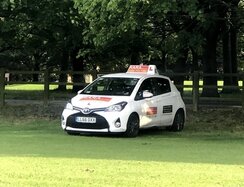
Learning to drive is a major milestone, but for many populate it is also a germ of vivid anxiety. Nervous drivers often feel overwhelmed by dealings, disoriented by road rules, or disinclined of making mistakes that could lead to accidents. These feelings are completely rule, especially for beginners or those regressive to driving after a long break away. That is why driving lessons leeds premeditated specifically for tense drivers, guided by affected role instructors, play such an epochal role in building real, lasting confidence on the road.
A good instructor understands that nervousness is not a impuissance but a roadblock that needs troubled attention. Instead of rushing students through lessons, affected role instructors focus on creating a calm and subsidiary . They start with the basics, such as getting comfortable with the car controls, adjusting mirrors, and scholarship how to take up and stop smoothly. These early steps are necessity because they help learners feel in verify before they even record busy traffic. By moving at a wide pace, instructors ascertain that students do not feel pressured or overwhelmed.
One of the most profound aspects of precept tense drivers is breakage down complex skills into simple, controllable stairs. For example, instead of at once practicing lane changes on a busy road, instructors may first learn locating in an empty parking area. Only when the assimilator feels gear up do they bit by bit present more stimulating situations, such as quiesce residential streets, and later, busier intersections. This step-by-step go about allows trust to grow course, without forcing the assimilator into situations they are not mentally equipped for.
Patient driving instructors also play a key scientific discipline role. Nervous drivers often fight with self-doubt, badgering that they are not good enough or that they will never teach. A calm instructor provides reassurance, prescribed feedback, and positive correction without unfavorable judgment. When mistakes happen, they are sunbaked as learning opportunities rather than failures. This subsidiary position helps tighten anxiety and builds swear between the assimilator and teacher, which is essential for operational encyclopedism. Over time, students start to believe in their own abilities, which importantly improves their driving performance.
Another fundamental of trust-building lessons is repetition and gradual . Nervous drivers profit from practicing the same skills sixfold multiplication in different environments. For exemplify, practicing turn at intersections in the morning, then again in unhorse traffic, helps reward understanding and adaptability. Instructors may also simulate real-life driving challenges, such as navigating roundabouts, coming together onto highways, or with unexpected Michigan. Each perennial winner strengthens the scholar s trust and reduces fear of strange situations.
Modern DRIVING LESSONS for nervous drivers also often integrate relaxation techniques and unhealthy training strategies. Instructors may boost deep ventilation before start the car or propose short unhealthy exercises to tighten strain during lessons. Some even take a few minutes at the commencement of each sitting to talk through any concerns the scholar might have that day. This emotional preparation helps learners stay focussed and calm, rather than carrying anxiety into the session.
Ultimately, the goal of DRIVING LESSONS for nervous drivers is not just to pass a driving test, but to create safe, sure-footed, and mugwump drivers for life. Patient driving instructors empathise that trust cannot be rushed; it must be well-stacked step by step through go through, , and homogeneous rehearse. When learners are supernatant in this way, they not only whelm their fears but often become more careful and responsible for drivers in the long run. With the right guidance, even the most tense tiro can transmute into a surefooted who feels comfortable and capable behind the wheel in any situation.