
What causes Water Damage Restoration Lancaster CA delays?
Water damage can create serious problems for homes and businesses if it is not handled quickly. When flooding, leaks, burst pipes, or other water-related issues occur, property owners usually want immediate solutions. However, many factors can slow down the restoration process. Understanding these challenges can help homeowners prepare better and avoid unnecessary setbacks.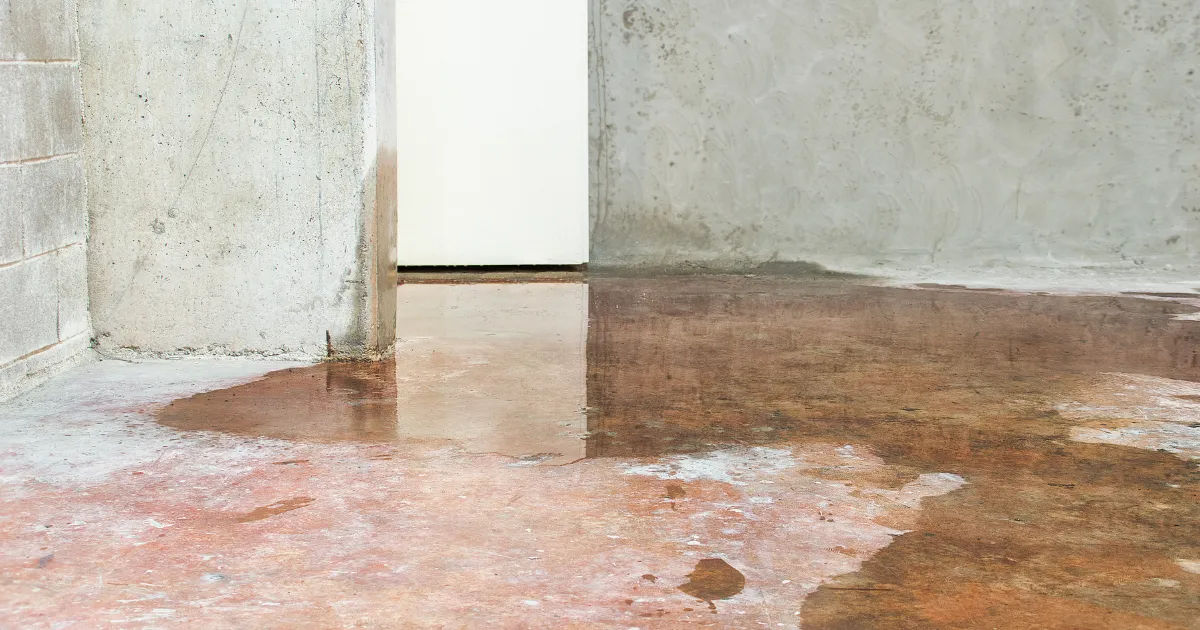 Water Damage Restoration Lancaster CA services focus on removing water, drying affected areas, repairing damage, and preventing future issues, but several unexpected situations can cause delays during the process.
A delayed restoration project can increase the risk of mold growth, structural weakening, unpleasant odors, and expensive repairs. While professional restoration teams work efficiently, some delays happen because of safety concerns, hidden damage, insurance procedures, or the condition of the property. Knowing what causes these delays allows property owners to take the right steps and support a faster recovery.
Water Damage Restoration Process
Before discussing delays, it is important to understand how the restoration process works. Water damage restoration is not simply about removing standing water. It involves multiple stages that must be completed carefully to restore a property safely.
The first step is usually an inspection. Restoration professionals examine the affected areas, identify the source of water, and determine the level of damage. This assessment helps create a proper restoration plan.
After inspection, the team begins water extraction. Powerful pumps and vacuums are used to remove standing water from floors, carpets, walls, and other areas. Quick extraction helps prevent additional damage.
The next stage involves drying and dehumidification. Even after visible water is removed, moisture can remain inside walls, flooring, furniture, and other materials. Specialized equipment such as air movers and dehumidifiers are used to remove hidden moisture.
After drying is complete, professionals clean, sanitize, and repair damaged areas. Depending on the severity of the damage, repairs may include replacing drywall, flooring, insulation, or other building materials.
Each stage requires time and proper attention. Skipping steps may create bigger problems later, which is why professional teams follow a detailed process instead of rushing through the work.
Delayed Response After Water Damage
One of the most common reasons for restoration delays is waiting too long before contacting professionals. Many property owners try to handle water damage themselves or delay calling for help because they underestimate the problem.
Small leaks can quickly become major issues. Water can spread behind walls, under flooring, and into hidden areas. The longer water remains inside a property, the more difficult the restoration becomes.
For example, a minor plumbing leak may initially affect only a small section of flooring. However, after several days, moisture may reach wooden structures, insulation, and drywall. This increases the amount of work required and extends the restoration timeline.
Quick action is one of the most important factors in reducing delays. Contacting a professional restoration company immediately after discovering water damage allows experts to begin assessment and removal before the problem becomes worse.
Severe Water Damage Conditions
The level of damage directly affects how long restoration takes. Not every water damage situation is the same. Some properties only require basic drying, while others need extensive repairs.
Minor water damage may be resolved within a few days, but severe flooding can take weeks or longer. When large areas of a building are affected, restoration professionals need more time to complete each step properly.
Major damage often involves:
- Large amounts of standing water
- Damaged walls and ceilings
- Destroyed flooring
- Electrical concerns
- Structural problems
- Contaminated water exposure
When water has affected important structural components, professionals must carefully inspect and repair those areas. Rushing the process can create safety risks and future problems.
Hidden Moisture Problems
One of the biggest causes of delays is moisture that cannot be seen easily. Water often travels through materials and reaches areas that appear dry on the surface.
Walls, ceilings, and floors can hold moisture for long periods. If hidden moisture is not detected and removed, it can lead to mold growth and structural deterioration.
Professional restoration teams use moisture meters, thermal cameras, and other tools to identify hidden water damage. Finding these issues may take additional time, but it is necessary for complete restoration.
Ignoring hidden moisture can create repeated problems after the restoration process is finished. A property may look repaired while moisture continues damaging the building from inside.
Equipment Availability and Restoration Delays
Water damage restoration requires specialized equipment. Industrial-grade pumps, air movers, dehumidifiers, moisture detection tools, and cleaning equipment are essential for effective restoration.
Sometimes delays occur because equipment is not immediately available. During major weather events, many homes and businesses may experience water damage at the same time. Restoration companies can become extremely busy, creating longer waiting periods.
Equipment shortages can slow down:
- Water extraction
- Drying processes
- Moisture monitoring
- Cleaning procedures
Professional companies usually manage their resources carefully, but high-demand situations can still affect response times.
Weather Conditions Affecting Restoration
Weather plays an important role in the restoration process. Lancaster, California, experiences different weather conditions throughout the year, and certain conditions can influence drying times.
High humidity can slow down evaporation and make drying more difficult. Rainy weather can also create additional challenges, especially if roofs, windows, or exterior areas are damaged.
When outdoor moisture levels are high, restoration professionals may need more time to achieve proper drying conditions. Complete drying is essential because leftover moisture can encourage mold growth.
Extreme temperatures can also affect certain repair materials. Professionals may need to wait for suitable conditions before completing some restoration tasks.
Insurance Approval Delays
Insurance procedures are another common reason restoration projects take longer than expected. Many homeowners rely on insurance coverage to pay for water damage repairs, but approval processes can take time.
Before repairs begin, insurance companies may require:
- Damage documentation
- Photos and videos
- Professional assessments
- Cost estimates
- Adjuster inspections
The restoration company may need to communicate with insurance representatives before certain repairs can move forward.
While restoration teams often begin emergency services immediately, larger repairs may be delayed until insurance approval is received. Clear communication between homeowners, restoration professionals, and insurance companies can help reduce these delays.
Difficulty Finding the Source of Water Damage
Stopping the source of water is a critical part of restoration. If the source continues, drying and repairs cannot be completed properly.
Sometimes the cause of water damage is obvious, such as a broken pipe or overflowing appliance. However, other causes can be difficult to locate.
Hidden causes may include:
- Underground pipe leaks
- Roof leaks
- Poor drainage systems
- Damaged plumbing connections
- Hidden foundation issues
Professionals may need additional time to investigate and repair the source before restoration work continues. Fixing the cause prevents future damage and protects the property after repairs are completed.
Structural Safety Concerns
Safety inspections can also create delays during restoration. Water can weaken important parts of a building, including floors, ceilings, walls, and support structures.
If professionals discover structural problems, they must address these issues before continuing with other restoration work.
Safety-related delays may involve:
- Removing unsafe materials
- Repairing damaged structures
- Checking electrical systems
- Waiting for inspections
Although these steps may extend the timeline, they protect both workers and property owners from dangerous situations.
Conclusion
Mold is one of the most serious complications caused by delayed water damage restoration. Mold can begin developing within a short period when moisture remains in a property.
Once mold appears, additional treatment is required. Professionals may need to perform mold inspection, removal, cleaning, and prevention procedures.
Mold-related restoration usually takes longer because the affected areas must be carefully treated. Simply drying the property is not enough if mold contamination has already developed.
Preventing mold is one reason why fast action after water damage is so important.