
How Do UK Customs Car Export Rules Affect Owners?
The process of exporting a vehicle from the UK involves several legal, financial, and logistical steps that directly affect vehicle owners.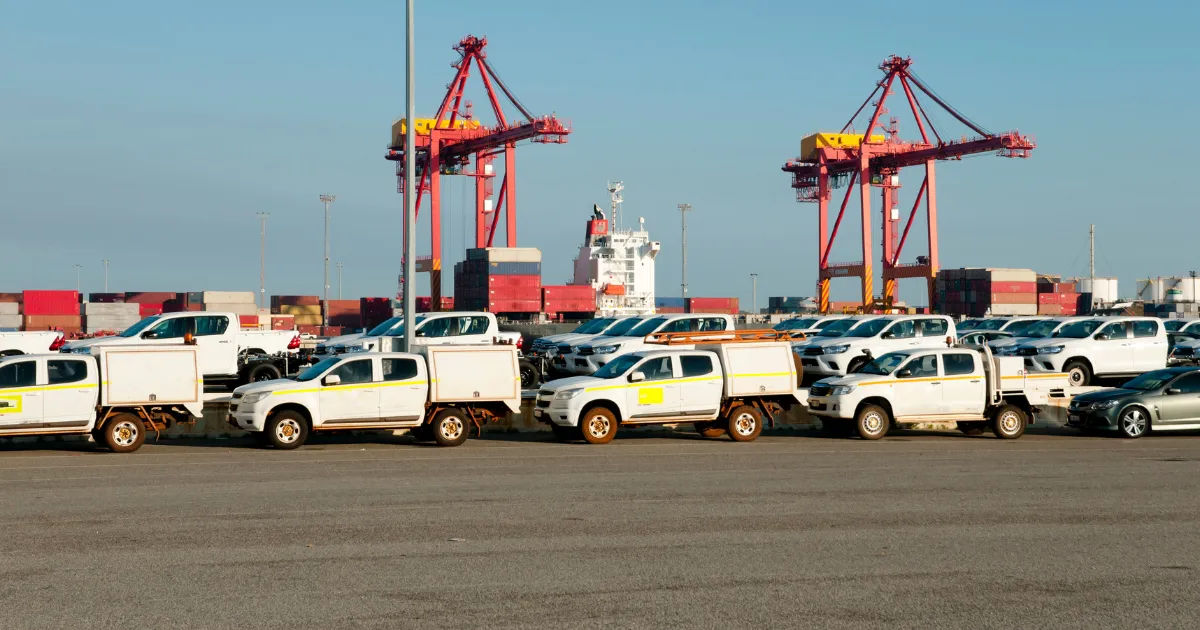
Understanding these rules is especially important if you are planning international car shipping UK, because customs regulations determine what you can ship, how you can ship it, and what costs or delays you might face.
Two of the most common transport methods are international car shipping UK and roll on roll off shipping UK, and both are heavily influenced by customs procedures, documentation requirements, and compliance checks.
Whether you are moving abroad permanently, selling a vehicle overseas, or sending a car to a family member, UK customs rules play a central role in the entire process.This guide explains everything in simple terms, helping you understand how export regulations affect ownership, timing, costs, and shipping choices.
Understanding UK Customs Car Export Rules
UK customs rules for vehicle export are designed to ensure legal compliance, prevent fraud, and manage taxation. When a car leaves the UK permanently or temporarily, it must be declared to HM Revenue & Customs (HMRC).
For anyone using international car shipping UK, customs rules determine whether the vehicle is eligible for export and whether VAT or duties apply in the destination country.
Similarly, in roll on roll off shipping UK, customs clearance is required before the vehicle can physically enter the port system for loading.
The rules apply whether the car is new, used, financed, or privately owned.
Why Customs Rules Matter for Vehicle Owners
Customs rules affect owners in multiple ways:
- They determine export eligibility
- They control documentation requirements
- They influence shipping costs
- They affect delivery timelines
- They impact tax obligations
For those using international car shipping UK, even a small documentation error can delay shipment by weeks.
With roll on roll off shipping UK, customs clearance is even more important because vehicles are driven directly onto ships, meaning clearance must be completed before departure.
Export Documentation Required by UK Customs
One of the most important parts of the process is paperwork. UK customs require specific documents before a vehicle can be exported.
Common documents include:
- V5C logbook (Vehicle Registration Certificate)
- Proof of identity
- Proof of ownership
- Export declaration forms
- Shipping booking confirmation
If you are using international car shipping UK, all documents must match exactly to avoid delays.
For roll on roll off shipping UK, port authorities also require confirmation that the vehicle is free from finance or legal disputes.
Incorrect documentation is one of the most common reasons for shipment delays.
How Customs Affects Vehicle Eligibility for Export
Not all vehicles can be exported freely. UK customs rules may restrict export if:
- The vehicle is under active finance
- The car is reported stolen or involved in legal disputes
- There are outstanding tax issues
- The vehicle does not meet safety or environmental standards
In international car shipping UK, eligibility checks are performed before booking is confirmed.
In roll on roll off shipping UK, eligibility is re-verified at the port before loading.
Owners must ensure full compliance before arranging shipping to avoid rejection.
VAT and Duty Considerations for Exported Cars
One of the most important customs impacts for owners is taxation.
If a vehicle is exported permanently:
- VAT may not be applicable in the UK
- Import duties may apply in the destination country
For international car shipping UK, tax rules depend on whether the export is temporary or permanent.
For roll on roll off shipping UK, customs officials ensure that VAT rules are correctly applied before departure.
Failure to comply can result in penalties or additional charges at destination ports.
Temporary vs Permanent Export Rules
UK customs differentiate between temporary and permanent vehicle exports.
Temporary Export
This applies when:
- The car is being shipped for tourism
- The vehicle will return to the UK
- It is used for short-term relocation
For international car shipping UK, temporary exports require proof of return plans.
In roll on roll off shipping UK, customs may require a return declaration before approving shipment.
Permanent Export
This applies when:
- The owner is relocating permanently
- The car is being sold overseas
- The vehicle will not return to the UK
Permanent exports require full customs clearance and deregistration from DVLA.
Both international car shipping UK and roll on roll off shipping UK processes depend heavily on this classification.
DVLA and Customs Coordination
The DVLA (Driver and Vehicle Licensing Agency) works closely with UK customs for vehicle export.
When exporting a car:
- The V5C logbook must be updated
- The export section must be completed
- The vehicle must be officially deregistered (for permanent exports)
In international car shipping UK, DVLA updates are required before customs approval.
For roll on roll off shipping UK, port authorities often verify DVLA records before allowing vehicle entry.
Without proper coordination, the vehicle cannot legally leave the UK.
How Customs Clearance Works at UK Ports
Customs clearance is a step-by-step process that happens before loading the vehicle onto a ship.
The process typically includes:
- Document verification
- Vehicle identity check
- Customs declaration review
- Security inspection
- Final export approval
In international car shipping UK, clearance may happen days before departure.
In roll on roll off shipping UK, clearance is often completed at the terminal right before the vehicle is driven onto the vessel.
Delays in clearance can lead to missed shipping schedules.
How Customs Rules Affect Shipping Costs
Customs rules indirectly influence shipping costs in several ways:
- Storage fees if clearance is delayed
- Penalties for incorrect documentation
- Inspection charges
- Administrative fees
For international car shipping UK, delays in customs clearance can significantly increase overall costs.
With roll on roll off shipping UK, faster processing usually reduces storage and handling charges.
Owners must ensure accurate documentation to avoid unnecessary expenses.
Insurance Requirements During Export
Customs rules also affect insurance coverage during export.
Before shipping:
- The vehicle must be insured for transport
- Shipping insurance may be required
- Liability coverage must be verified
In international car shipping UK, insurance is often required before customs approval.
In roll on roll off shipping UK, shipping companies may not accept vehicles without valid insurance proof.
This ensures protection against damage during transit.
Vehicle Inspection Requirements
UK customs may require inspection depending on the vehicle type or destination country.
Inspections may include:
- Mechanical condition checks
- Emissions verification
- Identification number confirmation
For international car shipping UK, inspections ensure compliance with destination regulations.
For roll on roll off shipping UK, inspection is often done at port entry points.
Failure to pass inspection can result in shipment rejection.
Common Customs Mistakes Made by Owners
Many vehicle owners face issues due to simple mistakes:
- Incorrect paperwork
- Missing V5C documents
- Not declaring export properly
- Underestimating tax requirements
- Booking shipping before customs clearance
In international car shipping UK, such mistakes can delay shipments significantly.
In roll on roll off shipping UK, even small errors can prevent a vehicle from being loaded onto the ship.
Attention to detail is critical.
How Customs Rules Differ by Destination Country
UK customs rules only control export from the UK. However, destination countries also apply their own import rules.
This affects:
- Import taxes
- Emission compliance
- Vehicle age restrictions
- Roadworthiness standards
For international car shipping UK, both UK and destination regulations must be followed.
For roll on roll off shipping UK, compliance checks ensure that destination requirements are understood before departure.
Ignoring destination rules can lead to vehicle seizure or high import penalties.
Role of Shipping Methods in Customs Process
The shipping method you choose also impacts customs procedures.
Roll-on Roll-off Shipping
In roll on roll off shipping UK:
- Vehicles are driven directly onto ships
- Faster customs processing is required
- Minimal container handling is involved
Container Shipping
In international car shipping UK, container shipping:
- Requires additional customs inspection
- Involves sealed container verification
- May take longer for clearance
Each method has different customs handling requirements.
Delays Caused by Customs Procedures
Customs delays are one of the most common problems in vehicle export.
Causes include:
- Incomplete documentation
- Customs inspections
- Tax disputes
- System verification delays
In international car shipping UK, delays may affect shipping schedules.
In roll on roll off shipping UK, delays can cause vehicles to miss scheduled vessel departures.
Proper preparation is essential to avoid these issues.
How to Avoid Customs Problems
Vehicle owners can reduce risks by:
- Preparing documents early
- Checking export eligibility
- Clearing finance on the vehicle
- Working with experienced exporters
- Double-checking customs requirements
For international car shipping UK, professional support helps ensure smooth clearance.
For roll on roll off shipping UK, experienced agents can speed up port procedures.
Preparation reduces stress and cost.
The Role of Customs Brokers
Customs brokers assist with export procedures by:
- Filing declarations
- Handling paperwork
- Ensuring compliance
- Communicating with HMRC
In international car shipping UK, brokers are often essential for first-time exporters.
In roll on roll off shipping UK, brokers help speed up clearance at ports.
Their expertise reduces the risk of errors.
Environmental Regulations and Customs Checks
UK customs also consider environmental regulations, especially for older vehicles.
Checks may include:
- Emission standards
- Fuel type restrictions
- Environmental compliance certificates
In international car shipping UK, destination countries may have strict environmental import laws.
For roll on roll off shipping UK, vehicles must still meet basic UK export compliance before shipping.
Conclusion
UK customs car export rules play a major role in shaping how vehicles are shipped abroad and how owners manage the entire process. From documentation and taxation to inspections and eligibility checks, every stage of export is regulated to ensure legal and safe transport.
For anyone involved in international car shipping UK, understanding customs requirements is essential to avoid delays, penalties, or unexpected costs. The process becomes even more important when using roll on roll off shipping UK, where strict port procedures require accurate documentation and timely clearance.
Ultimately, customs rules are not just administrative formalities—they directly affect ownership rights, shipping timelines, and financial outcomes. Owners who prepare properly, understand regulations, and follow procedures carefully will experience a smoother and more efficient export process.
By staying informed and organized, vehicle owners can confidently navigate UK customs requirements and ensure successful international transport of their vehicles.