
Can a urine test detect infection?
A urine test is one of the most common and simple medical tests used to check overall health and detect possible health problems. Many people ask whether it can actually identify infections in the body, especially urinary tract infections and other hidden conditions.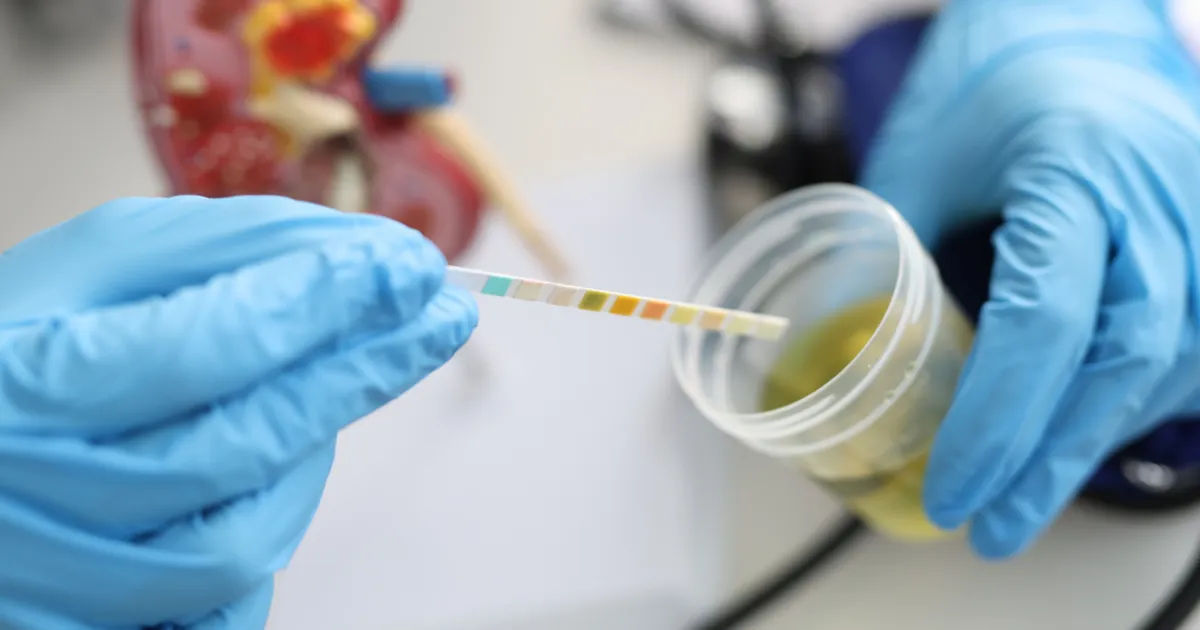
At the same time, topics like how long does pee last for a drug test often come up in discussions about urine testing, even though infection testing and drug screening are completely different purposes of the same sample.
In this guide, we will explore how urine tests detect infections, what they can reveal, and why doctors rely on them for accurate diagnosis. You will also understand how how long does pee last for a drug test is unrelated but often confused with medical urine testing. This article is written in a simple, clear way so a 12th-grade student can easily understand the science behind it.
Urine Tests
A urine test, also called urinalysis, is a diagnostic method used to examine the physical, chemical, and microscopic properties of urine. It helps doctors detect a wide range of health conditions, from infections to kidney problems.
A standard urine test checks color, clarity, pH level, protein, sugar, and the presence of bacteria or blood. These indicators help medical professionals understand what is happening inside the body.
People often confuse medical urine testing with drug screening and search phrases like how long does pee last for a drug test when learning about urine samples. However, infection testing focuses on bacteria and immune responses, not drug traces.
Urine is produced by the kidneys as a waste product, making it a useful indicator of internal health. Because it carries chemicals, cells, and microorganisms, it becomes a valuable diagnostic tool. The idea of how long does pee last for a drug test is unrelated to infection detection but still part of general curiosity about urine.
Doctors may request urine tests during routine checkups or when a patient shows symptoms like pain, fever, or unusual urination.
Can a Urine Test Detect Infection?
Yes, a urine test can detect infections very effectively, especially urinary tract infections (UTIs). When bacteria enter the urinary system, they multiply and cause changes in urine composition.
A urine test can identify bacteria, white blood cells, and nitrites, which are strong indicators of infection. This is one of the main reasons doctors rely on urinalysis.
When discussing medical testing, people sometimes mix concepts and search how long does pee last for a drug test, but infection detection is based on biological markers, not time-based stability.
Urine infections can affect the bladder, urethra, or kidneys. A urine test helps pinpoint whether an infection is present and sometimes even suggests the type of bacteria involved.
The accuracy of infection detection is high when the sample is collected properly. Clean-catch midstream urine samples reduce contamination and improve results.
Although unrelated, the curiosity behind how long does pee last for a drug test reflects how widely urine testing is used in different fields of medicine and law enforcement.
Types of Infections Detected by Urine Tests
Urine tests can detect several types of infections beyond just simple UTIs. These include bacterial, fungal, and sometimes viral infections.
Urinary Tract Infections (UTIs)
UTIs are the most common infections detected through urine tests. They occur when bacteria enter the urinary system and multiply in the bladder or kidneys.
Symptoms include burning during urination, frequent urination, and cloudy urine. The test identifies bacteria and white blood cells that confirm infection.
Even though unrelated, discussions about how long does pee last for a drug test often appear in general urine-related research.
Kidney Infections
Kidney infections are more serious and can be detected through abnormal protein levels and bacteria in urine. These infections require immediate medical attention.
Urine tests help detect early signs before severe damage occurs.
Sexually Transmitted Infections (STIs)
Some STIs like chlamydia and gonorrhea can also be detected using urine samples. Special lab tests identify bacterial DNA in urine.
While people often ask how long does pee last for a drug test, STI testing focuses on genetic material, not drug detection.
How Urine Tests Work
Urine testing involves three main steps: visual examination, chemical testing, and microscopic analysis.
Visual Examination
Doctors first look at the color and clarity of urine. Dark or cloudy urine may suggest infection or dehydration.
Chemical Testing
Dipsticks are used to test for chemicals like nitrites, proteins, and glucose. These indicators help identify infection or other health issues.
Microscopic Analysis
A lab technician examines urine under a microscope to look for bacteria, cells, and crystals.
During medical discussions, people sometimes bring up how long does pee last for a drug test, but this has no impact on infection diagnosis.
The combination of these methods makes urine testing highly reliable for detecting infections.
Symptoms That Lead to Urine Testing
Doctors usually recommend a urine test when certain symptoms appear.
Common Symptoms
Burning sensation during urination, frequent urge to urinate, and lower abdominal pain are common signs of infection.
Severe Symptoms
Fever, back pain, and blood in urine may indicate a kidney infection.
These symptoms help doctors decide whether infection is present and whether immediate treatment is required.
Even though unrelated, curiosity about how long does pee last for a drug test shows how urine samples are used in many different situations beyond infection detection.
Limitations of Urine Tests
While urine tests are very effective, they are not perfect. Sometimes results may be affected by contamination or improper sample collection.
False positives or negatives can occur if the sample is not handled correctly.
Urine tests also cannot always identify the exact type of infection without further culture testing.
People often confuse medical and screening purposes, leading to questions like how long does pee last for a drug test, but infection diagnosis requires biological analysis rather than timing.
Despite limitations, urine testing remains one of the fastest and most reliable diagnostic tools.
When to See a Doctor
If symptoms of infection persist for more than a few days, it is important to see a doctor. Delaying treatment can lead to complications.
A urine test can quickly confirm whether an infection is present and guide treatment.
Doctors may also recommend follow-up tests if the infection is severe or recurring.
In general health discussions, phrases like how long does pee last for a drug test appear frequently, but medical attention should focus on symptoms rather than unrelated concerns.
Early diagnosis ensures faster recovery and prevents complications.
Prevention of Urinary Infections
Preventing infections is easier than treating them. Simple habits can reduce the risk of urinary infections significantly.
Drinking plenty of water helps flush bacteria from the urinary system. Proper hygiene, especially after using the toilet, also reduces infection risk.
Avoid holding urine for long periods, as this allows bacteria to grow.
Maintaining a healthy lifestyle supports immune function and reduces infection chances.
Even though unrelated, people researching how long does pee last for a drug test often become more aware of urine health in general, which can encourage better hydration habits.
Conclusion
Urine tests are a powerful and simple medical tool that can clearly detect infections in the body. They help identify urinary tract infections, kidney infections, and even some sexually transmitted infections. By analyzing bacteria, white blood cells, and chemical markers, doctors can diagnose conditions quickly and accurately.
While topics like how long does pee last for a drug test are often searched online, they relate more to drug screening rather than infection detection. Understanding the difference helps avoid confusion between medical diagnosis and testing procedures.
Urine testing remains one of the most reliable methods in modern medicine. With proper sample collection and analysis, it provides fast and accurate results that help guide treatment decisions and improve patient health outcomes.