
Which Arabic Appetizers Include Cucumber?
In many Middle Eastern kitchens, arabic appetizers are known for their freshness, bold flavors, and balance between herbs, vegetables, and dips. Among the most common ingredients used to enhance texture and taste is cucumber.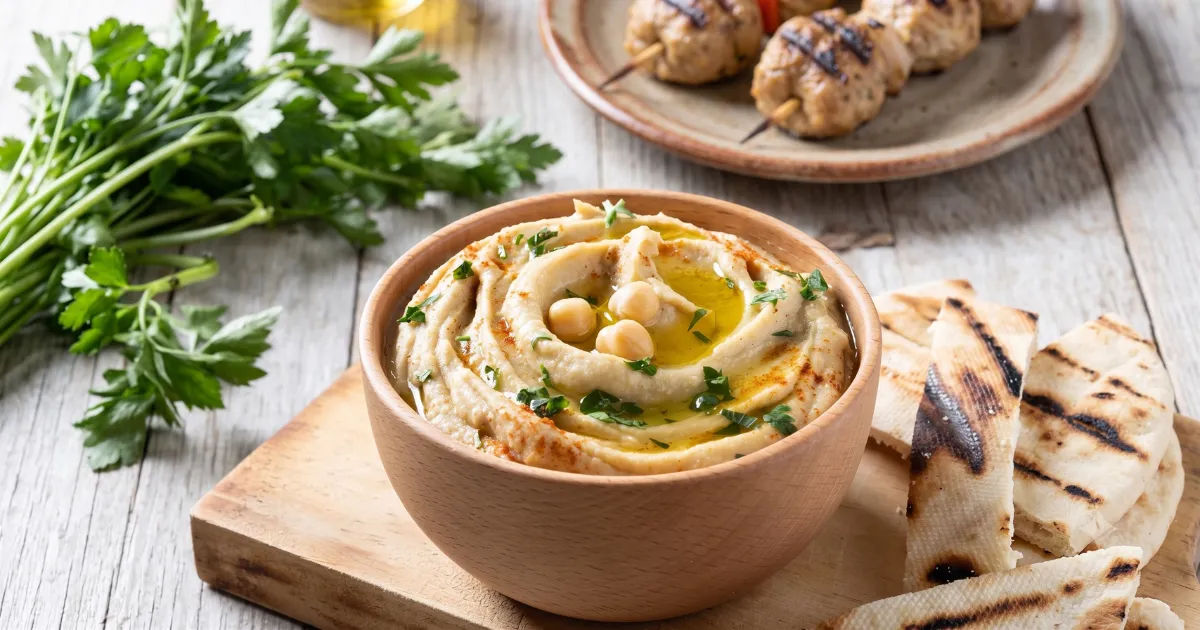
In this guide, we will explore which arabic appetizers include cucumber, why it is so widely used, and how it improves both flavor and nutrition in traditional mezze dishes.Cucumber is a cooling, hydrating vegetable that pairs perfectly with herbs like mint, parsley, and dill. It is often served raw, chopped, sliced, or mixed into salads and dips.
You will find it in both modern and traditional arabic appetizers, especially in mezze platters served across Lebanon, Syria, Jordan, Palestine, and other parts of the Middle East.By the end of this article, you will clearly understand how cucumber fits into arabic appetizers, which dishes commonly use it, and how you can enjoy these foods at home.
Why Cucumber is Common in Arabic Appetizers
Cucumber is a staple ingredient in many arabic appetizers because of its refreshing nature and mild flavor. It does not overpower spices or herbs, which makes it ideal for mezze dishes that rely on balance.
One major reason cucumber is widely used in arabic appetizers is its high water content. In hot climates, foods that hydrate the body are especially valuable. Cucumber helps cool down spicy or rich foods like grilled meats, hummus, or fried falafel.
Another reason cucumber is popular in arabic appetizers is its texture. It adds crunch to soft dishes like yogurt dips and mashed vegetables. This contrast makes meals more enjoyable and satisfying.
Finally, cucumber is affordable and widely available in most Middle Eastern regions, which makes it a practical ingredient in everyday arabic appetizers.
Classic Arabic Appetizers That Include Cucumber
Many traditional dishes rely on cucumber as a key or supporting ingredient. Below are some of the most popular arabic appetizers that include cucumber in different forms.
Tabbouleh
Tabbouleh is one of the most famous arabic appetizers, traditionally made with parsley, tomatoes, bulgur wheat, lemon juice, olive oil, and mint. While cucumber is not always included in the original recipe, many modern variations of arabic appetizers add finely diced cucumber for extra crunch and freshness.
In these versions, cucumber enhances the salad’s hydrating quality and balances the acidity of lemon juice. It also makes the dish more filling without adding heaviness.
Fattoush
Fattoush is another iconic dish among arabic appetizers, known for its crispy fried pita bread and fresh vegetables. Cucumber is a core ingredient in this salad, usually chopped into small cubes or slices.
In arabic appetizers like fattoush, cucumber works alongside lettuce, radishes, tomatoes, and herbs such as mint and parsley. The cucumber helps balance the tangy sumac dressing and adds a refreshing bite to every spoonful.
Because of its crunch and mild flavor, cucumber is essential in making fattoush one of the most refreshing arabic appetizers.
Cucumber Yogurt Salad (Khyar bi Laban)
One of the simplest yet most popular arabic appetizers is cucumber yogurt salad, known in Arabic as “khyar bi laban.” It is made by mixing chopped cucumber with yogurt, garlic, salt, and sometimes dried mint.
This dish is a cooling side that is often served with spicy or grilled foods. Among all arabic appetizers, this one is especially popular in summer because it helps reduce body heat.
The combination of creamy yogurt and crunchy cucumber creates a smooth yet textured experience, making it a favorite in many households.
Labneh with Cucumber
Labneh is a thick strained yogurt commonly used in arabic appetizers. It is often drizzled with olive oil and served with fresh vegetables, including cucumber slices.
In many arabic appetizers, labneh and cucumber are served together on mezze platters. The cucumber adds freshness while the labneh provides a creamy, slightly tangy base.
This combination is often eaten with pita bread and olives, making it a simple but satisfying starter.
Mezze Platters and Fresh Vegetable Sides
Mezze platters are a central part of Middle Eastern dining culture. These platters include a variety of arabic appetizers such as hummus, baba ghanoush, stuffed grape leaves, olives, and fresh vegetables.
Cucumber is almost always present in these spreads. It is served raw, sliced into sticks or rounds, and used as a palate cleanser between rich dips.
In arabic appetizers, cucumber plays an important supporting role rather than always being the main ingredient. It helps balance heavier dishes and adds visual freshness to the platter.
Pickles and Cucumber Variations
Pickled cucumbers, known as “mukhalal,” are another important part of arabic appetizers. These are cucumbers preserved in vinegar, salt, and spices.
Pickled cucumbers are often served alongside shawarma, falafel, and grilled meats. In many arabic appetizers, they add a sharp, tangy contrast to rich or fatty foods.
Some regions also prepare lightly fermented cucumber salads that are served cold as part of mezze spreads. These variations show how versatile cucumber can be in arabic appetizers.
Regional Variations
Different countries in the Middle East use cucumber in slightly different ways in their arabic appetizers.
In Lebanon and Syria, cucumber is often used in salads like fattoush and yogurt-based dips. In Jordan and Palestine, it is commonly served fresh on mezze platters or mixed with tomatoes and onions.
In Gulf countries, cucumber appears in lighter arabic appetizers, often paired with yogurt or served as part of simple vegetable plates alongside grilled meats.
Despite regional differences, cucumber remains a unifying ingredient in many arabic appetizers, symbolizing freshness and balance across cultures.
How Cucumber Enhances Flavor
Cucumber does not have a strong taste on its own, but that is exactly why it is so valuable in arabic appetizers. It absorbs flavors from herbs, lemon juice, olive oil, and spices while maintaining its crisp texture.
In rich dishes like hummus or baba ghanoush, cucumber provides a refreshing contrast. In spicy dishes, it helps cool the palate. This balance is a key feature of many arabic appetizers.
Cucumber also enhances aroma when combined with mint, dill, or parsley, which are common herbs in arabic appetizers. This creates a layered flavor profile that is simple yet satisfying.
Nutritional Benefits
Cucumber adds more than flavor to arabic appetizers; it also brings several health benefits.
It is low in calories, making it ideal for light eating. It is also high in water, which helps with hydration, especially in hot climates where many arabic appetizers are traditionally served.
Cucumber contains small amounts of vitamins like vitamin K and vitamin C, as well as antioxidants that support overall health. When included in arabic appetizers, it contributes to a balanced and nutritious diet.
Its fiber content also supports digestion, which is helpful when eating rich mezze spreads that include fried or oily foods.
Serving Tips
To enjoy cucumber in arabic appetizers at its best, it should always be fresh and crisp. It is usually cut just before serving to maintain texture and moisture.
For salads like fattoush or tabbouleh variations, cucumber should be diced evenly so it blends well with other ingredients in arabic appetizers.
When serving mezze platters, cucumber can be arranged in sticks or slices around dips like hummus, labneh, and baba ghanoush. This presentation is common in traditional arabic appetizers.
For yogurt-based dishes, cucumbers should be lightly salted and drained to avoid excess water, ensuring a creamy consistency in arabic appetizers.
Conclusion
Cucumber plays a surprisingly important role in many arabic appetizers, even though it is often seen as a simple vegetable. From refreshing salads like fattoush and yogurt-based dips to mezze platters and pickled sides, cucumber brings balance, texture, and hydration to a wide range of dishes.
Across different regions, arabic appetizers use cucumber in creative and traditional ways, showing its versatility and cultural importance. Whether raw, pickled, or mixed into yogurt, it consistently enhances flavor and freshness.
For anyone exploring Middle Eastern cuisine, understanding the role of cucumber helps you appreciate how simple ingredients can elevate arabic appetizers into something both delicious and nourishing. It is a reminder that the best dishes often rely on freshness, balance, and thoughtful combinations.